For a business, plumbing is not just plumbing — it is uptime. A backed-up line closes a restaurant. A flooded restroom shuts a store. A failed water heater stops a salon cold. And unlike a home, a commercial plumbing problem often comes with health-code and compliance stakes on top of the repair bill.
The businesses that avoid those disasters are the ones that maintain their plumbing instead of waiting for it to fail. Here is a practical maintenance checklist for Norco businesses and property managers.
Keep high-use drains on a schedule
Commercial kitchen and restroom drains take far more abuse than anything in a home, and they clog hard. Rather than waiting for a backup during the lunch rush, put high-use lines on a regular cleaning schedule — and hydro-jet grease-prone kitchen lines periodically to keep them genuinely clear, not just open.
Service grease traps before they overflow
If you run a kitchen, the grease trap is critical. A trap that fills past its limit overflows into the lines and backs up the kitchen — and a neglected trap is a health-code violation. Set a service interval matched to your volume (some kitchens need monthly, others quarterly) and keep documentation for inspectors. It is far cheaper than an emergency backup and a failed inspection.
Stay current on backflow testing
Commercial properties and irrigation systems require annual backflow certification testing to keep contaminated water out of the clean supply. An overdue or failed test can mean penalties. Track your due date, schedule the test ahead of the deadline, and keep the certification on file. Better yet, work with a plumber who reminds you each year.
Maintain commercial water heaters
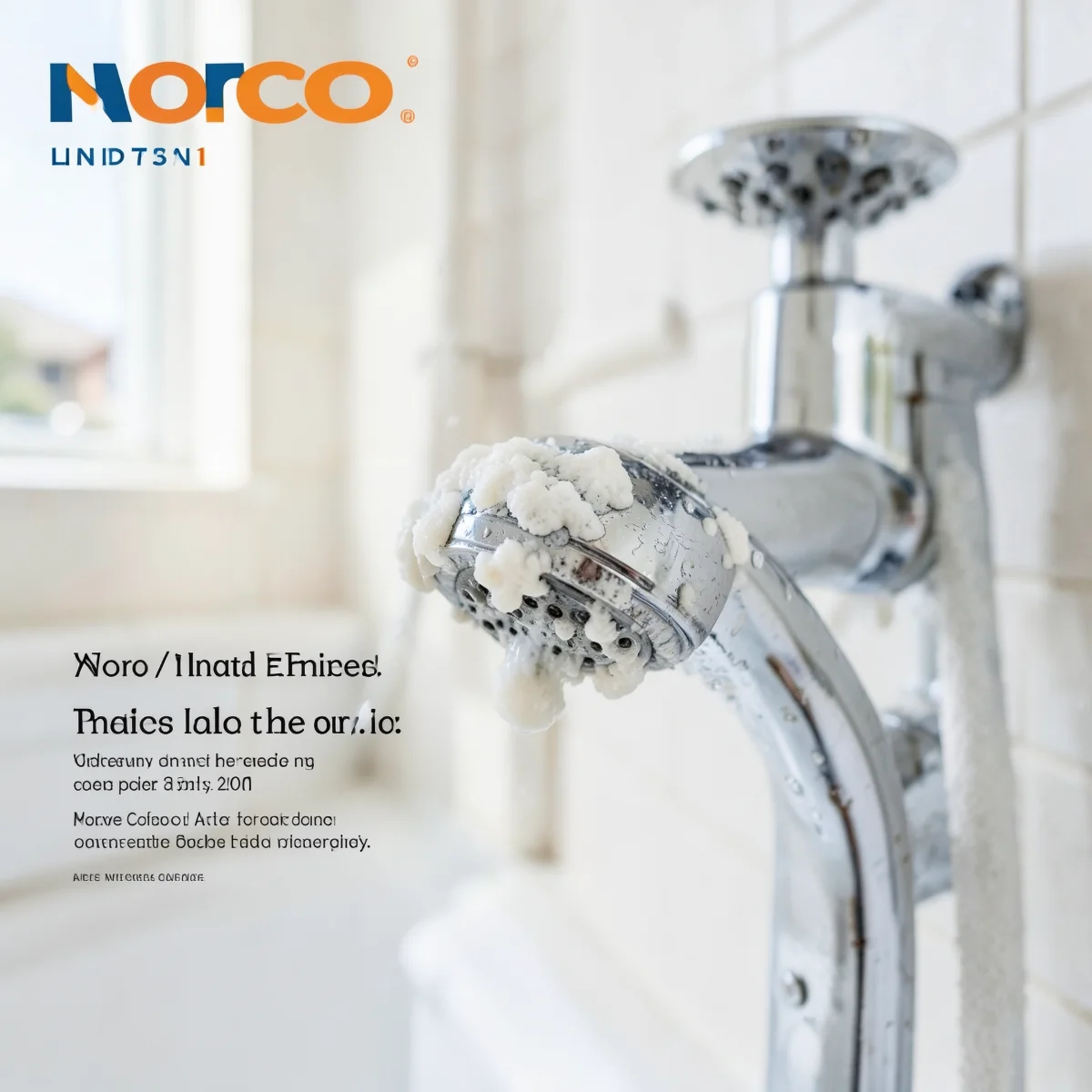
Hot water is essential for kitchens, restrooms, and many services, and commercial units work hard. In hard-water Norco, sediment is the enemy here too — flushing the unit and checking it on a schedule extends its life and prevents the surprise of a cold-water morning that stops your operation.
Watch for the early warning signs
- Slow drains or recurring clogs in kitchens or restrooms
- Odors near drains or the grease trap
- Fixtures or flush valves failing under heavy use
- Reduced hot water or a water heater running constantly
- Any backup, however minor — it rarely stays minor
Build a relationship with one local plumber
The single most valuable maintenance step is having one reliable local plumber who knows your property. A standing relationship means faster response when something does go wrong, consistent documentation for owners and compliance, and a maintenance schedule that actually gets followed.
For property managers juggling multiple units, that one trusted number is worth its weight — a single point of contact who already knows your buildings, responds fast to tenant issues, and keeps the paperwork straight.