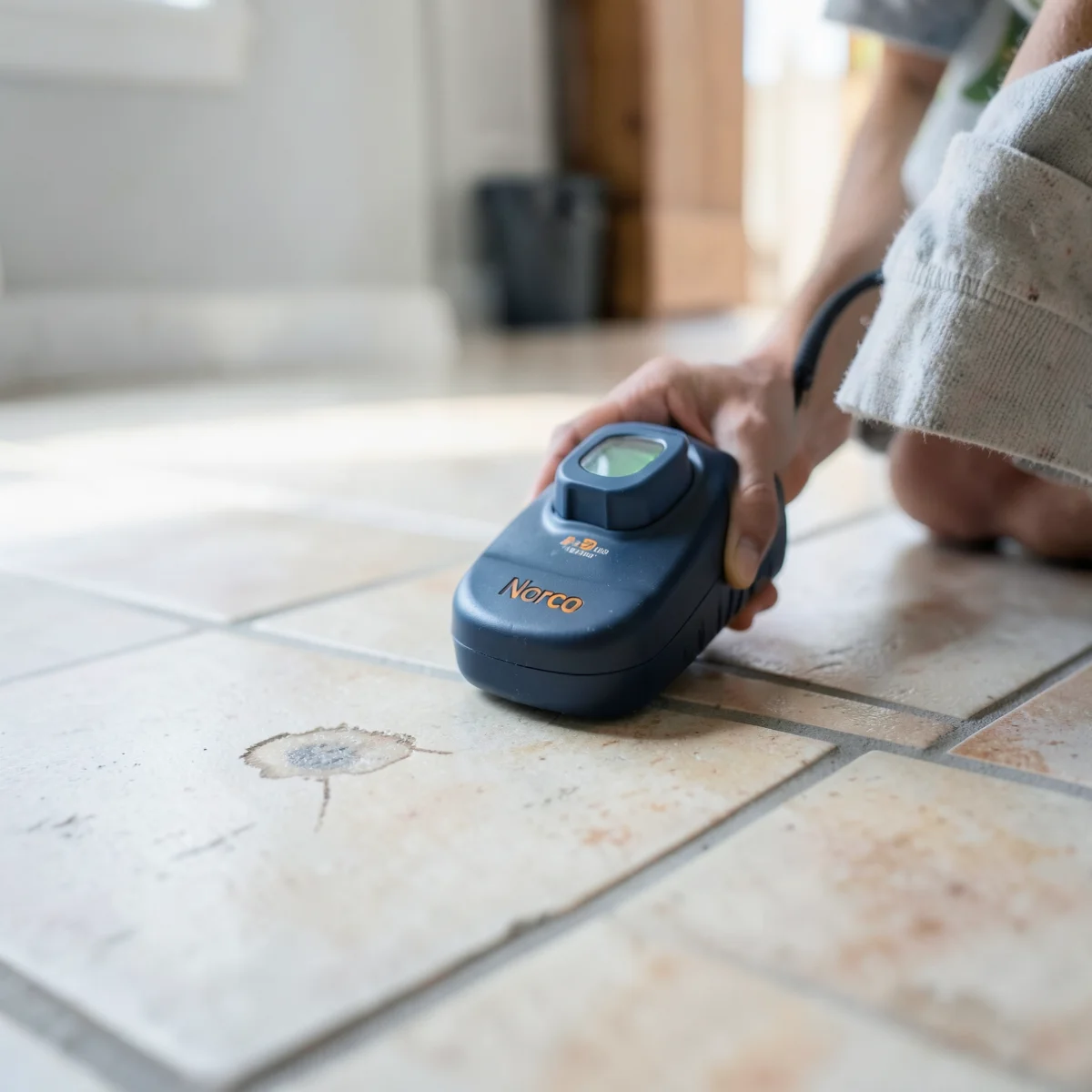
Few plumbing failures cause as much damage as fast as a burst pipe. A line under pressure can move gallons a minute, and water finds the most expensive path — into cabinets, walls, flooring, and the slab. The good news is that most burst pipes are preventable if you know what causes them.
Here is what makes pipes burst, how to prevent it on a Norco property (including the barns and outbuildings the franchises forget), and what to do in the first minute if one lets go.
What causes pipes to burst
- Corrosion: aging galvanized steel rusts shut and thin copper develops pinholes
- Hard-water scale that thins pipe walls over the years
- Excess water pressure, especially above 80 psi
- Freezing: water expands as it freezes and splits the pipe
- Physical damage or stress from shifting soil
Watch your water pressure
Water pressure that creeps too high quietly stresses every joint and fitting in your home. Anything consistently above about 80 psi is hard on the system. A pressure-reducing valve keeps it in a safe range — if you do not know your home's pressure, it is worth having it checked. This one fix prevents a surprising number of failures.
Address aging pipe before it fails
Many older Norco ranch homes still have galvanized steel supply lines that rust from the inside out, and decades-old copper can develop pinhole leaks — especially under the stress of hard water. The warning signs are recurring leaks, falling pressure, and discolored water.
If you are patching leaks in different spots, that is the system telling you it is near the end. Proactive repiping in PEX or copper costs far less than a series of emergency burst-pipe repairs and the water damage that comes with them.
Soften the water to protect your pipes
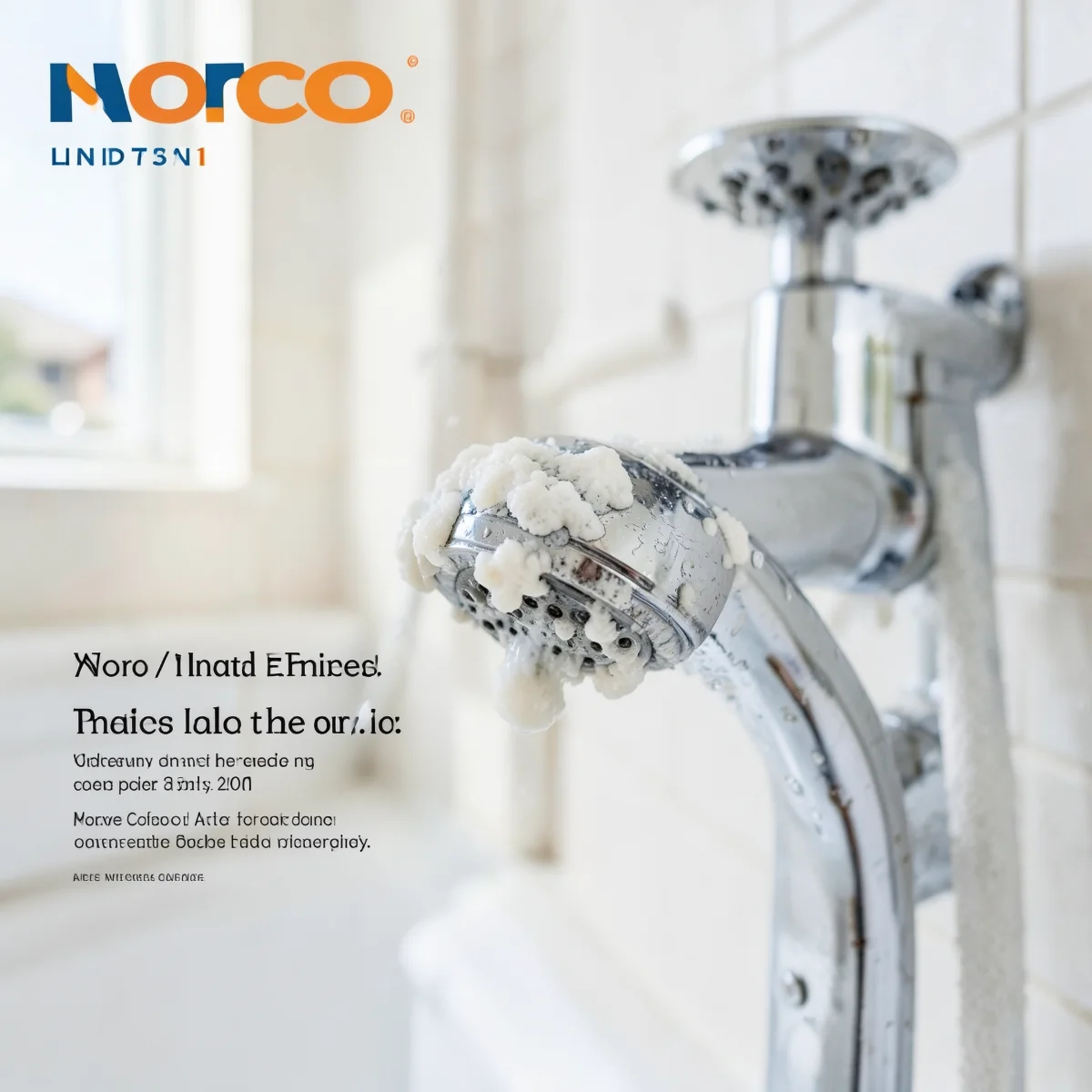
Hard-water scale does more than clog drains — over years it thins and stresses pipe walls, contributing to the sudden failures common in this area. A whole-home water softener slows that wear across the entire plumbing system, protecting your pipes along with your water heater and appliances.
Don't forget freeze protection
Norco does not freeze often, and that is exactly the risk — homes and barns here are not built for it, so the few cold nights a year catch exposed lines unprotected. Frozen water expands and splits the pipe, and you may not discover the burst until it thaws and floods.
Insulate exposed lines, install frost-proof hose bibs, and on ranch properties pay special attention to the above-ground runs to barns, corrals, and outbuildings — they freeze first. On the coldest nights, letting a faucet drip relieves pressure. A little preparation prevents a split line.
If a pipe bursts: the first minute
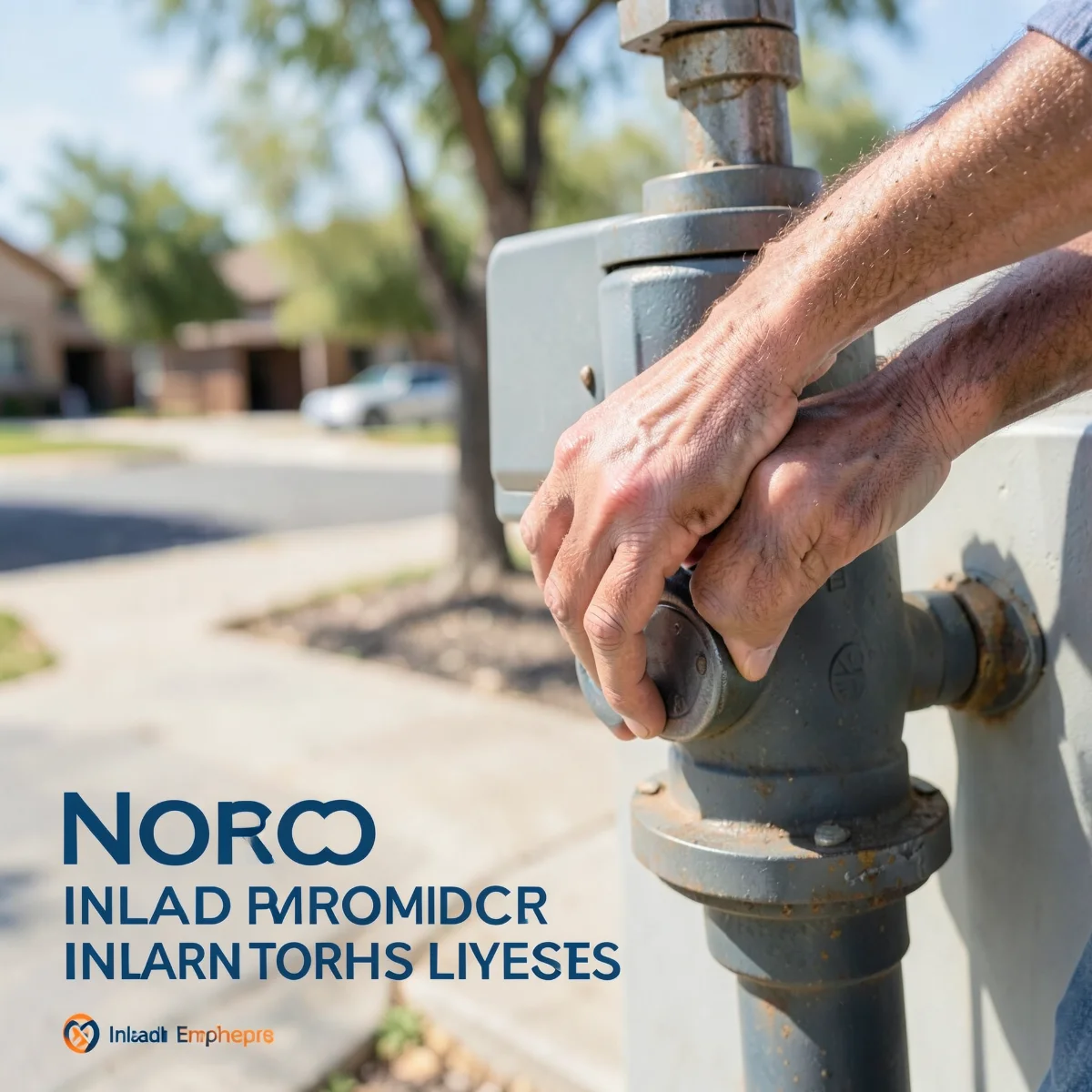
Go straight to your main water shut-off valve and turn it off — this stops the flooding immediately, before anything else. If the burst is on a hot line, shut off the water heater too. Then move valuables out of the water, take photos for insurance, and call for emergency help.
This is why every household should know where the main shut-off is before an emergency. The minute you save finding it is the minute that saves your flooring.